
Blacks in Green - BIG™ Blacks in Green [BIG] is national network born to close America's racial wealth gap via the new green economy - increasing Black household income and increasing community resilience against the harms of climate crisis. Our Sustainable Square Mile™ system implements our
8 Principles of Green-Village-Building™ introduced in 2007 to achieve BIG's theory of change: that only a whole-system solution can transform the whole-system problem common to Black communities everywhere; that ultimately selfsustaining Black communities everywhere would change the narrative of what it means to be Black in America; and that our communities would thereby become synonymous with beauty, prosperity, comfort, and joy.
BIG works to increase the rate at which neighbor-owned businesses are created and sustained; to build the capacity of neighbors to own, develop, and manage the property in their community; and to remember and reinvent the conservation lifestyle ~ where households and homesteads produce their own energy, grow their own food, clean their own water, and recycle their own waste. This reignites our Great Migration tradition of walk-to-work, walk-to-shop, walk-to-learn, walk-to-play villages where African Americans own the businesses, own the land, and live the conservation lifestyle~ the beautiful, do-for-self life!

Founder, Naomi Davis
Blacks in Green™ has pioneered environmental economic development for the benefit of Black America since 2007— a 501c3 non-profit tackling pollution and poverty with a goal of closing America’s racial health/wealth gap via the new green economy and transforming Black communities into oases of resilience against the climate crisis. We’re building economies in energy, horticulture, housing, tourism, and waste via our Sustainable Square Mile™ system.
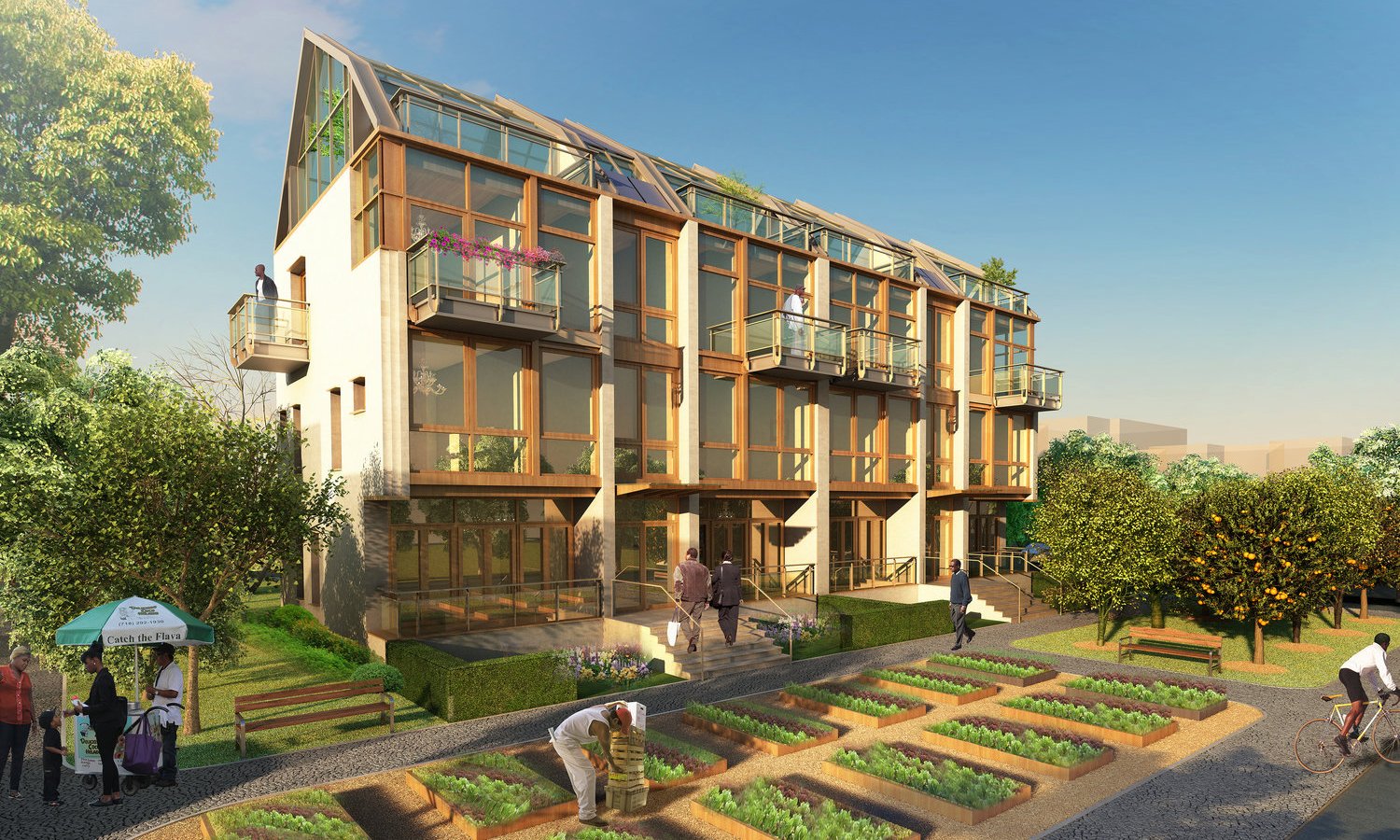
A vision of the Sustainable Square Mile
Our Sustainable Square Mile System™ implements the 8 Principles of Green-Village-Building™ to cultivate walk-to-work, walk-to-shop, walk-to-learn, walk-to-play villages where African American neighbors own the businesses, own the land, and live the conservation lifestyle. By building economies in energy, horticulture, housing, tourism, and waste in a walkable-village, BIG works to increase household income and resilience against the harms of climate crisis for practitioners in their pilot village of West Woodlawn, Chicago and beyond.
HOUSE AS GARDEN
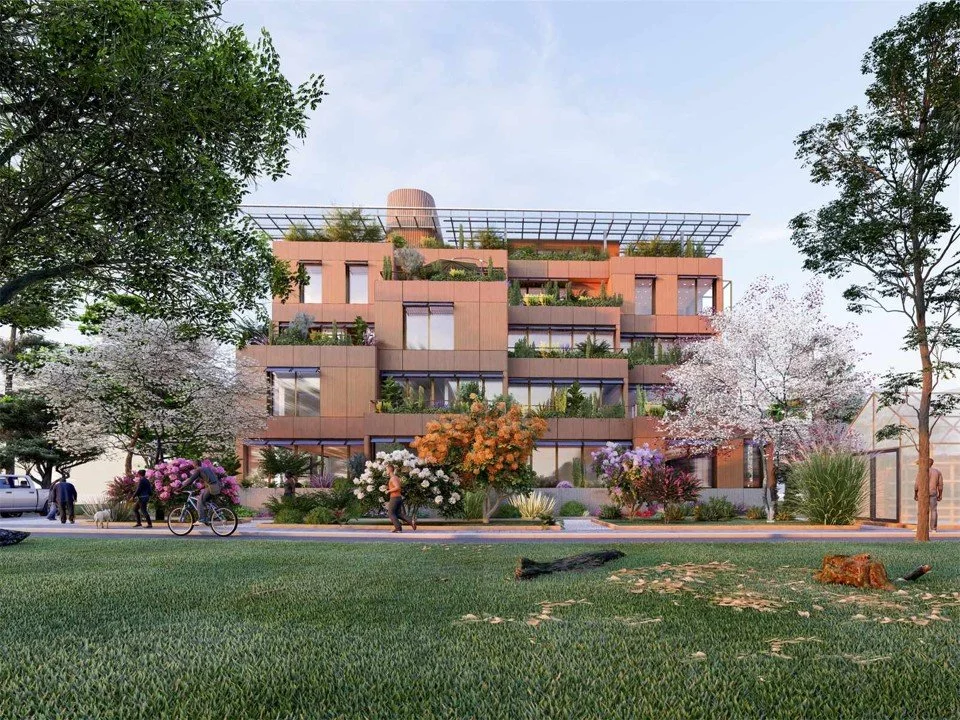
A self-sustaining and collaborative neighborhood in where resource efficiency is the key to personal empowerment.
HOUSE AS GARDEN
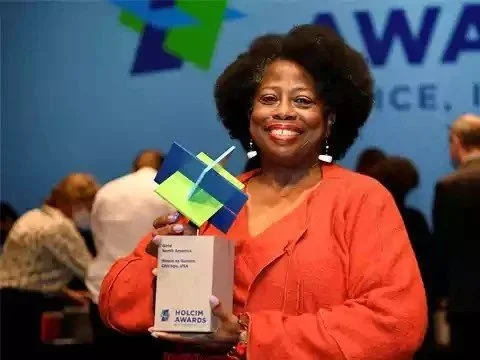
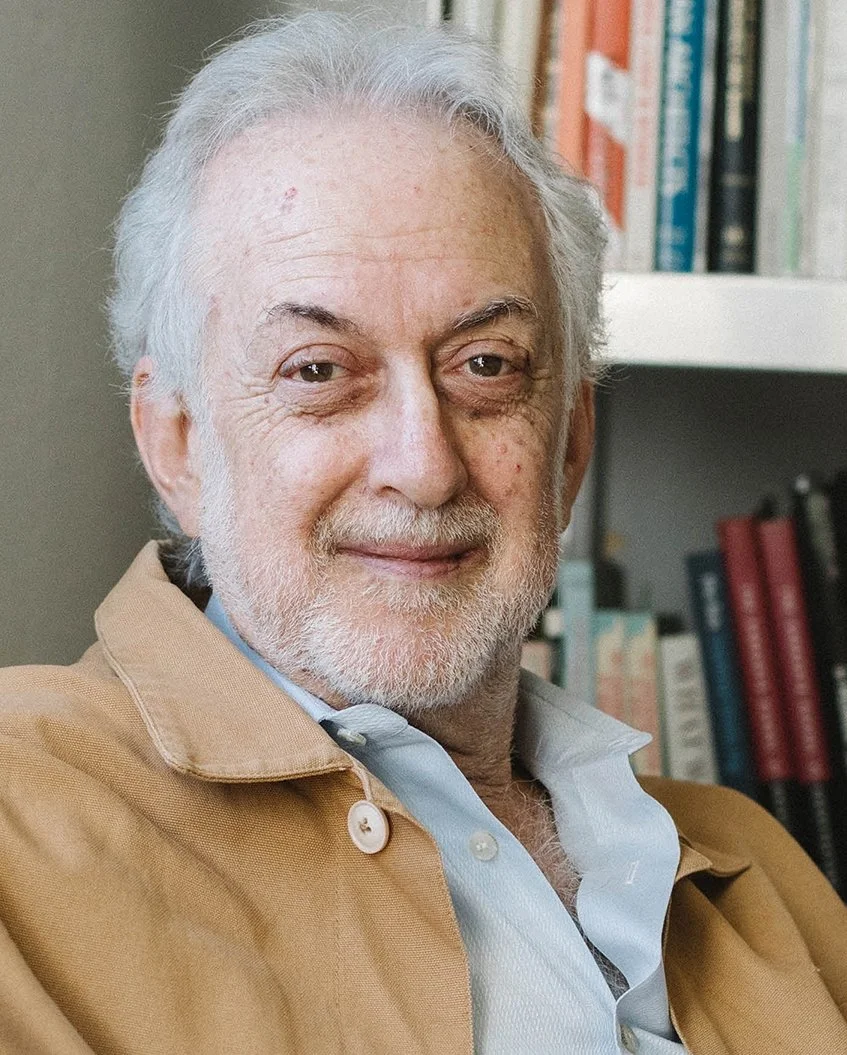
In November of 2021, BIG’s founder and CEO, Naomi Davis traveled to Venice, Italy to receive the North America Gold Award from the Holcim Foundation for a four-flat home design to be constructed in Woodlawn by the end of the decade. The net zero design is a joint effort initiated by, Naomi Davis, in collaboration with the late, great, internationally renowned architect, Michael Sorkin.
In collaboration with the nonprofit organization Blacks in Green, a sustainable residential building is being placed into an afflicted urban neighborhood. As a prototype, it shows how community can be regained and sustained by applying rational and appropriate technologies, self-reliance systems, and a spirit of sharing. The multifamily building consists of eight flexibly designed residential units as well as indoor and outdoor shared spaces, including a guest room, spaces for collective recreation, and green areas for onsite agriculture. The residents share cars, bicycles, gardens, and certain indoor spaces. The project is intended to be net carbon negative thanks to the many green systems and materials, the extensive greening, and the energy-efficient design.
“We’re creating a new normal for affordable housing, explains Naomi Davis of Blacks in Green, Chicago, USA. “It is awesome, zero-waste, energy producing, wealth generating, grounded by food and flower gardens inside and out, and within reach of the black middle-income purse.” The jury says the proposal suggests an innovative residential building typology that not only gravitates around the value of sharing as a means of human empowerment but that is also environmentally friendly and aesthetically pleasing. They particularly appreciated the great potential for flexibility and replicability of the project, which promotes transferable sustainable practices on many levels.
Rooted in a partnership with the non-profit organization Blacks in Green, House as Garden reimagines housing in a historically underserved Chicago neighborhood as a catalyst for environmental and social regeneration. Conceived as a core component of a broader vision for a “sustainable square mile,” the project creates not just homes but a living framework for shared prosperity, self-reliance, and community cohesion. With flexible housing units interwoven with gardens, gathering spaces, and resource-efficient systems, House as Garden blurs the boundaries between dwelling, landscape, and collective empowerment. READ MORE
MEET THE BIG TEAM

NAOMI DAVIS
FOUNDER & CEO
Naomi is dedicated to self-sustaining Black communities everywhere. Her strategy begins with her aim to reinvent her childhood “sustainable-square-mile” here in the Age of Climate Crisis. She is the founder/CEO of Blacks in Green (BIG™), an urban theorist, attorney, activist, and proud granddaughter of Mississippi sharecroppers.
-
Her heritage forms the foundation for BIG's course in Grannynomics™, The 8 Principles of Green-Village-Building™ and The Sustainable Square Mile™ which Naomi authored and teaches nationally in community lectures and workshops and at universities.
Naomi serves as a bridge and catalyst among communities and their stakeholders in the design and development of green, self-sustaining, mixed-income, walkable-villages within black neighborhoods – so that every household can ultimately walk-to-work, walk-to-shop, walk-to-learn, walk-to-play – and neighbor dollars can circulate locally to help limit greenhouse gasses associated with transportation and manufacturing pollution.
She conveys the risks of global warming; the health/wealth opportunities of the new green economy; the power of neighbors to lead in their city’s enviro-economic policy and practice; and the primacy of land ownership.
-
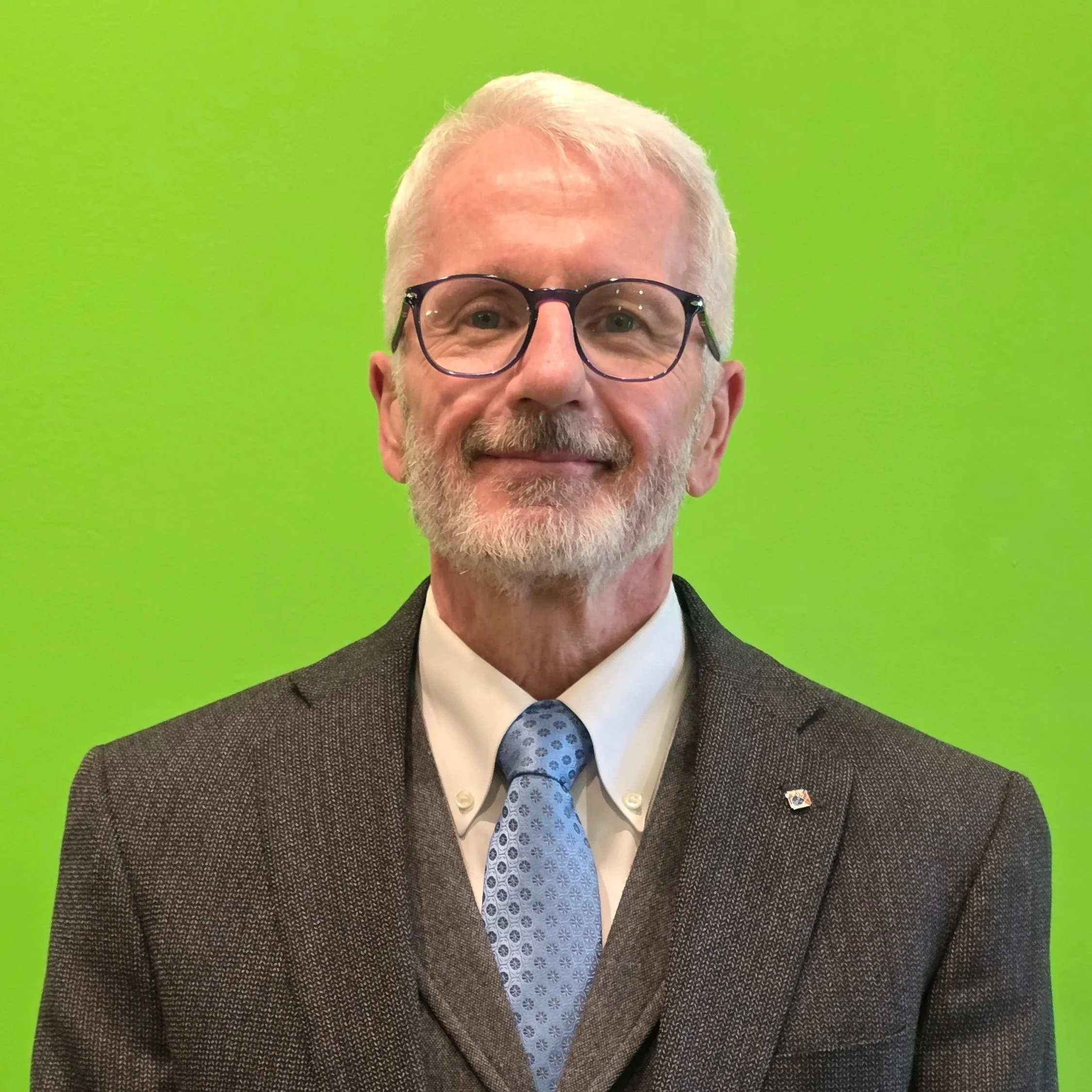
David Yocca
GREEN INFRASTRUCTURE DIRECTOR
-
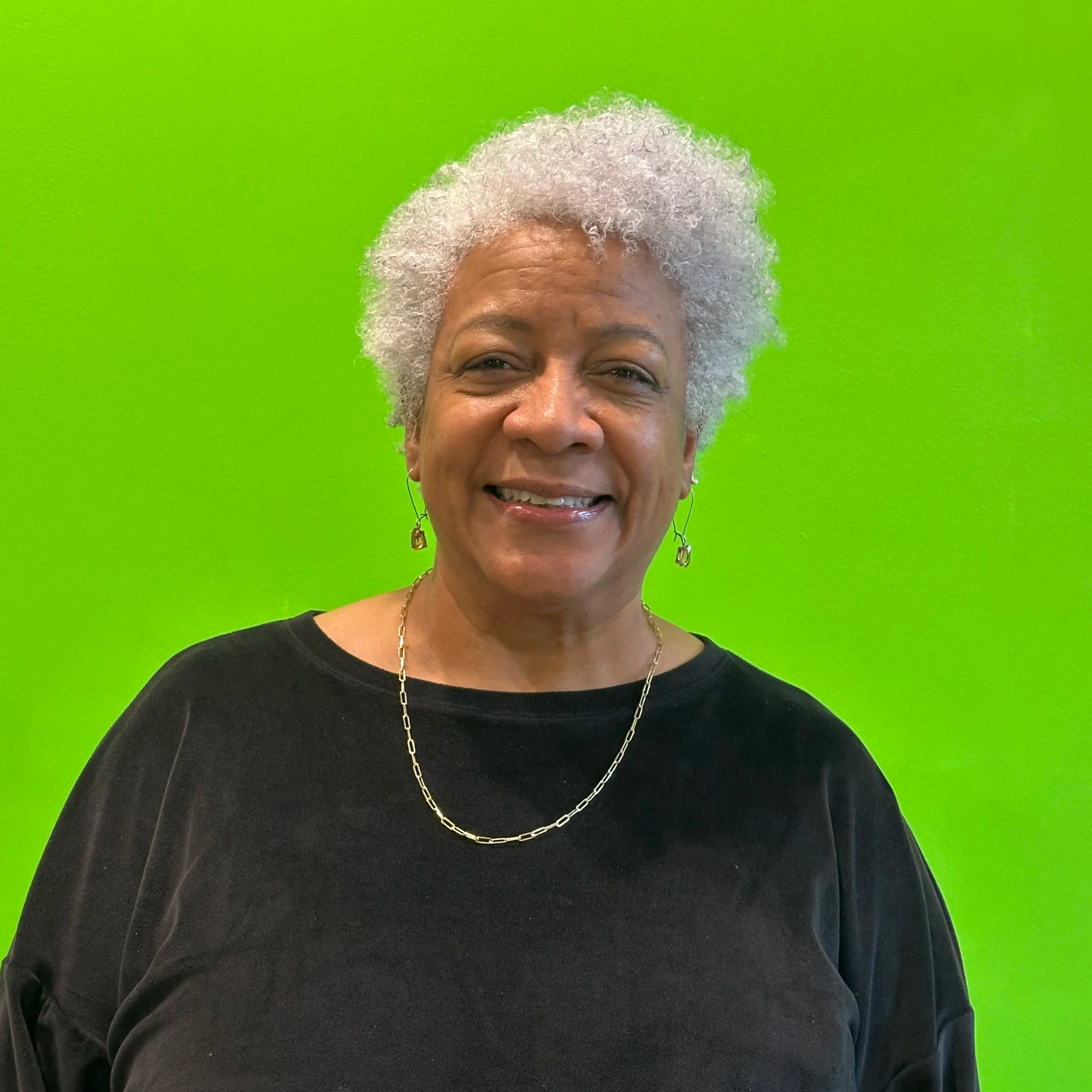
Gwen Pruitt
BIG BOTANIC GARDENS & FARMS DIRECTOR
-

Wasiu Adesope
GREEN ENERGY MANAGER
-
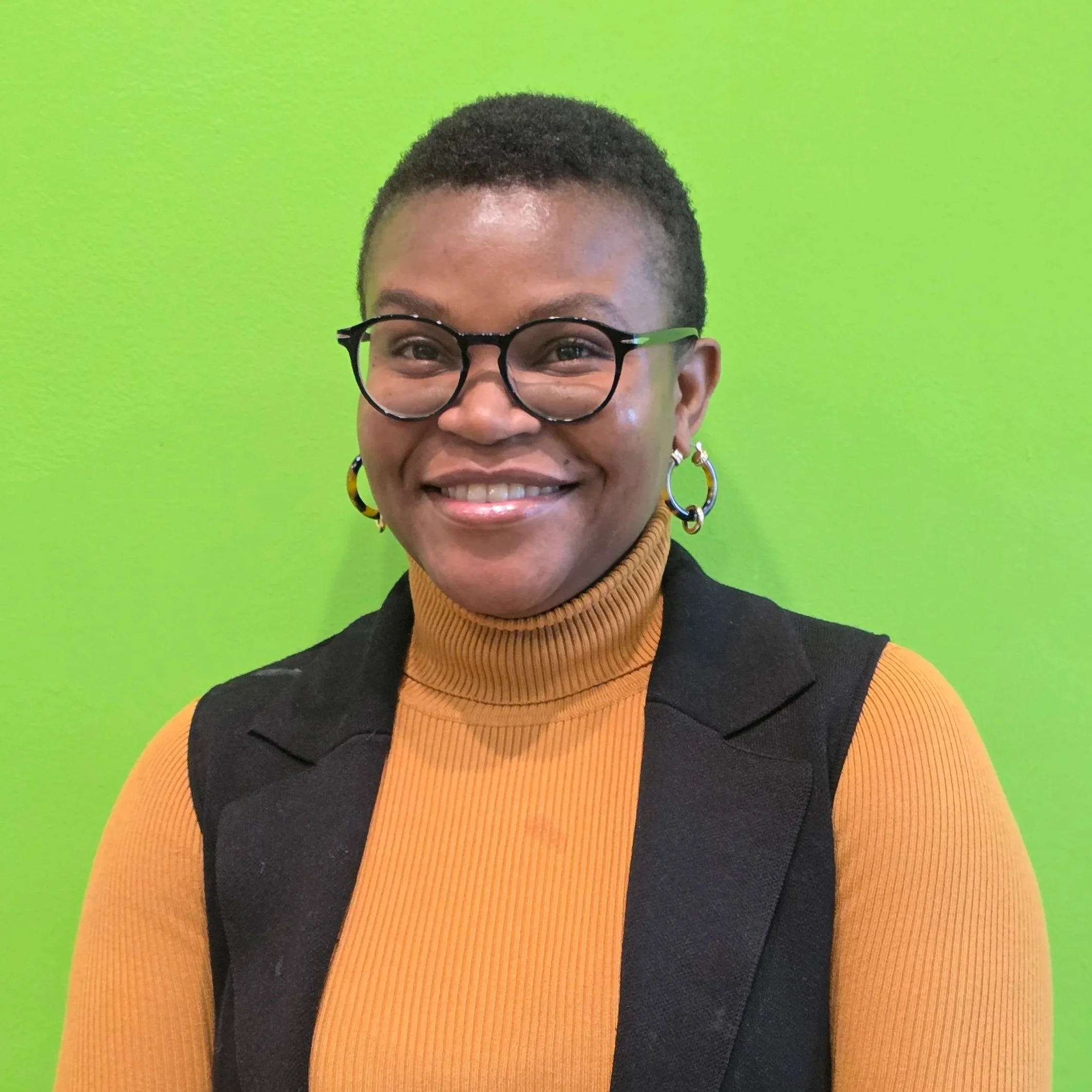
Jacinta Nakanwagi
CIVIL ENGINEER
-
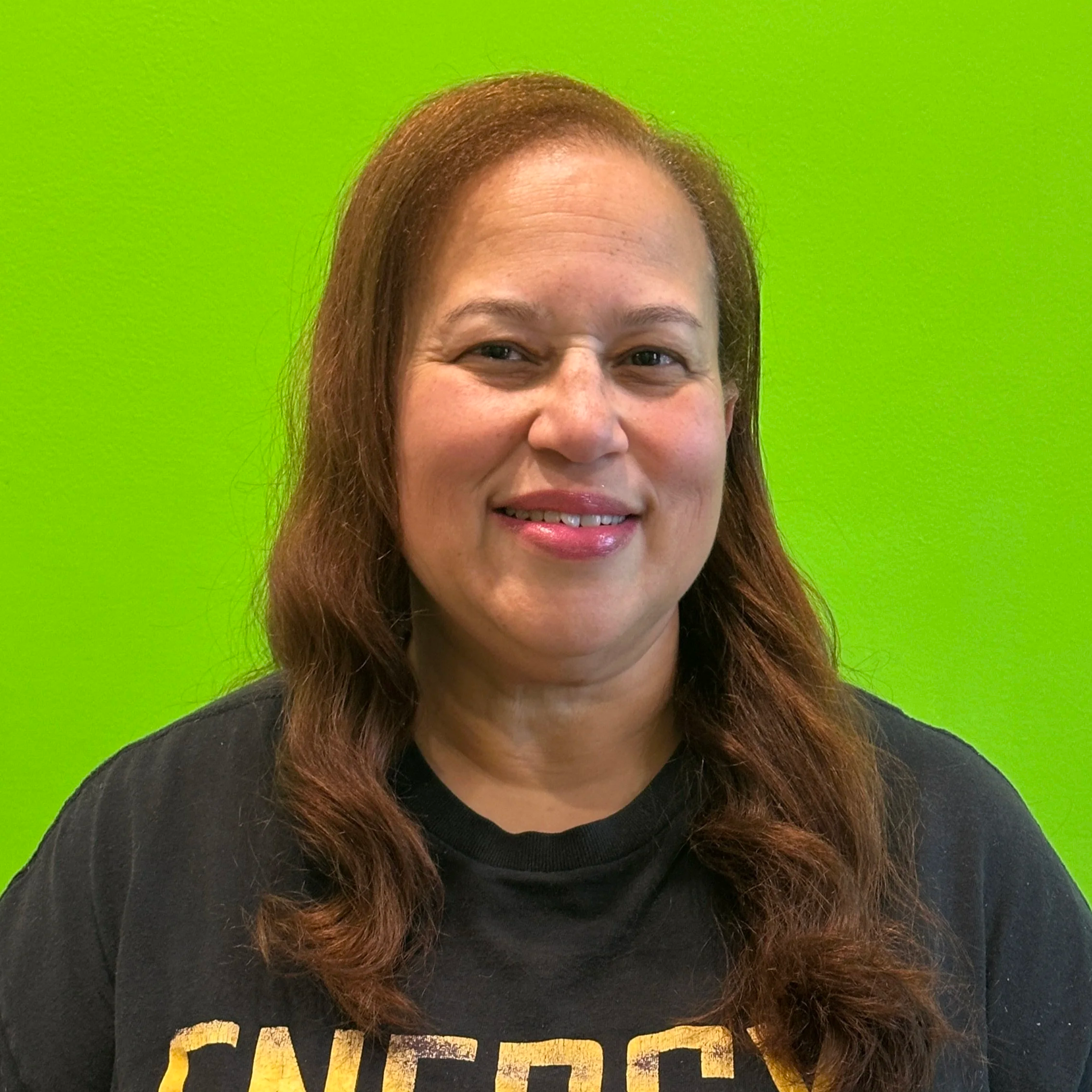
Suzanne Wadell
COMMUNITY OUTREACH
-
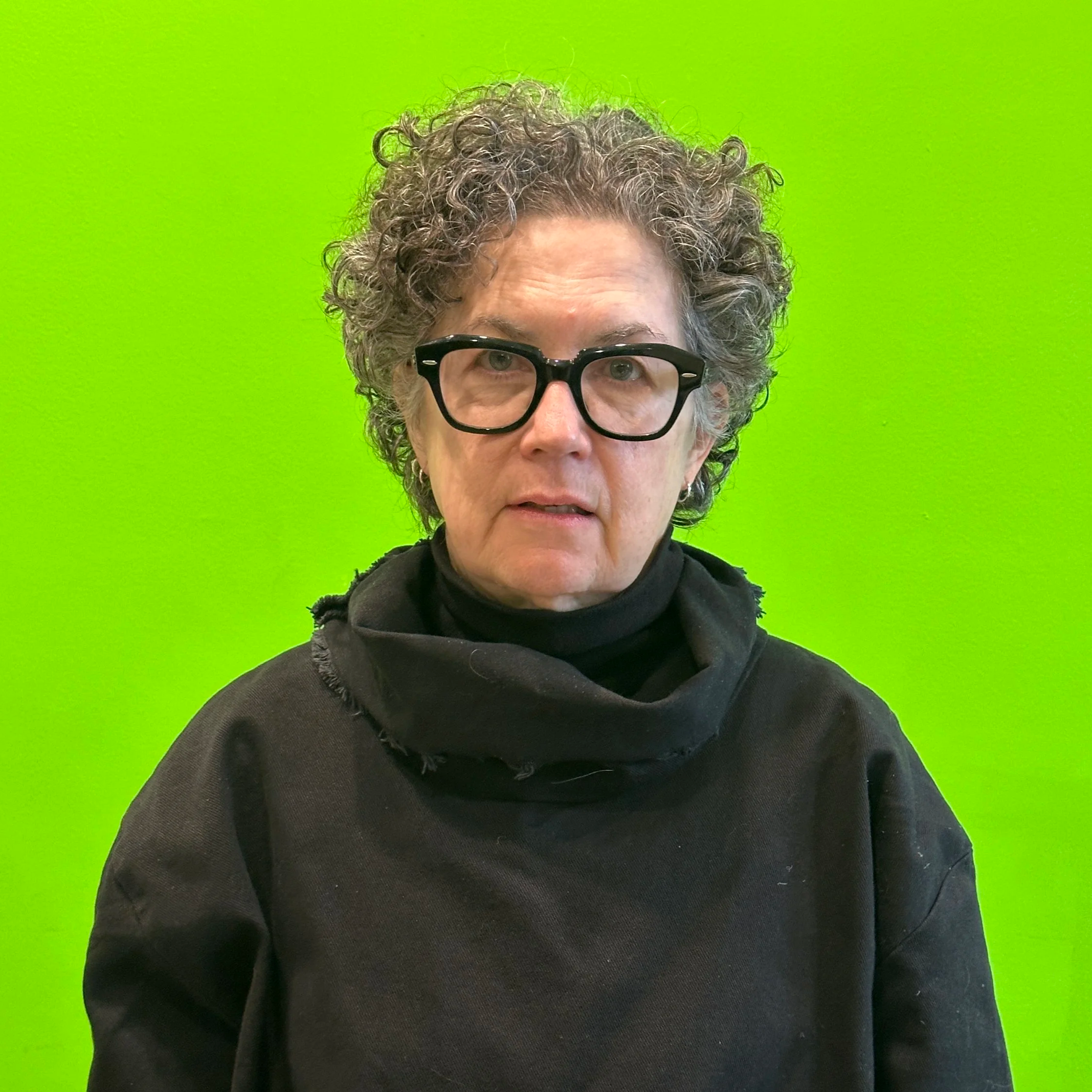
Ellen Grimes
TILL HOUSE MUSEUM MANAGER
-

Amandilo Cuzan
MEDIA SPECIALIST & ARCHIVAL MANGER
-
Connect with more of our team on Linkedin:
